Mental Health App
Clara is a mental wellness app by Neurum Health, using AI to deliver personalised well-being content and daily check-ins. Despite strong technology, the product was struggling to retain users: day-one retention stood at 2.4% and biweekly retention had fallen below 2%. I was engaged to lead user research, to understand why engagement was failing and what would need to change.
Research
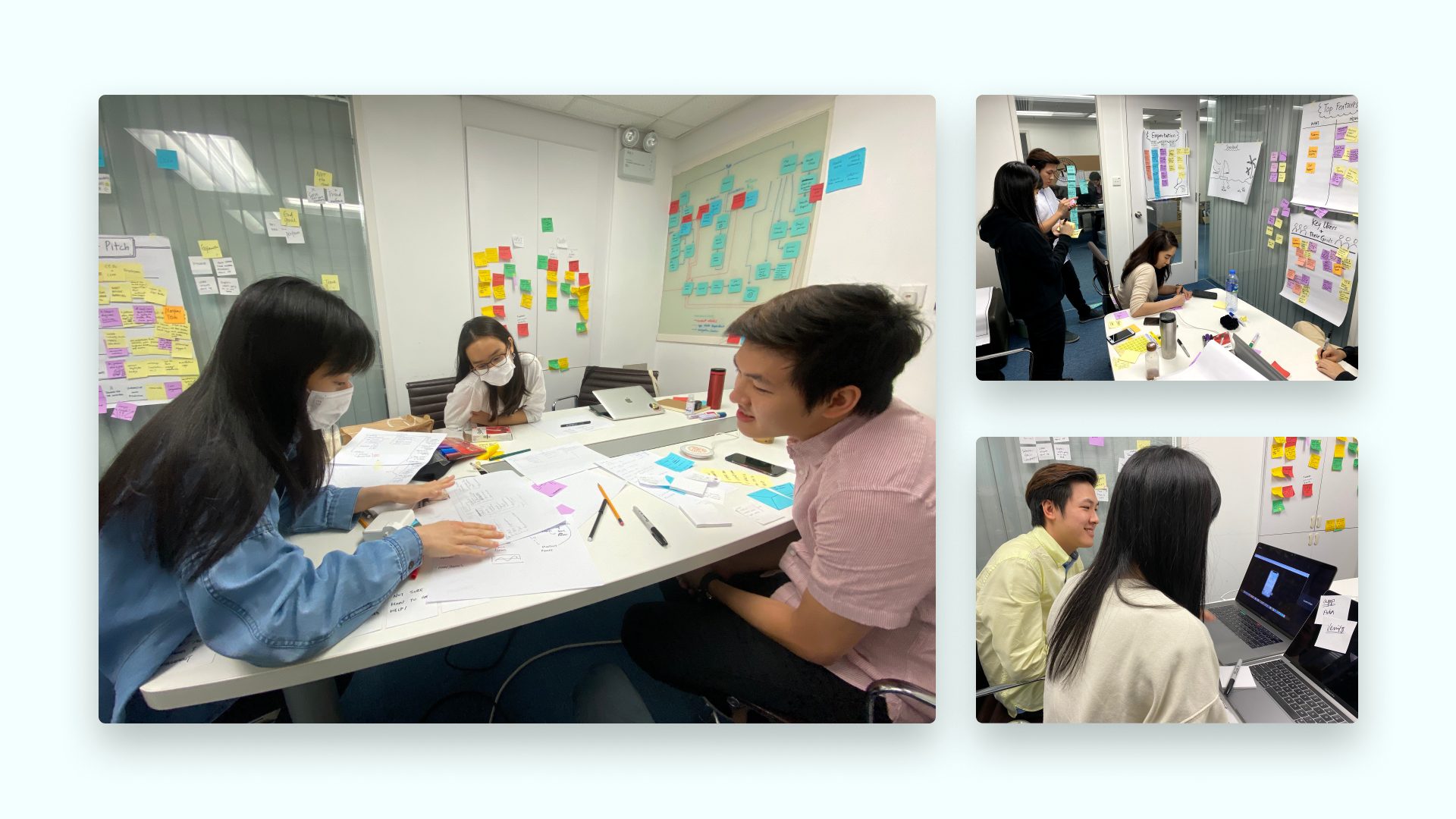
I conducted in-depth interviews with users, deliberately going beyond usability to understand the relationship people in an Asian context have with digital mental health tools, the social norms, stigmas, and expectations that shaped whether they would use an app like Clara consistently.
Privacy emerged as the primary barrier. Clara was distributed through employers, which created a structural trust problem: users were reluctant to log sensitive emotions on a platform their company had provided. This was not a design issue, it was a go-to-market issue that the product needed to account for in how it communicated data ownership.
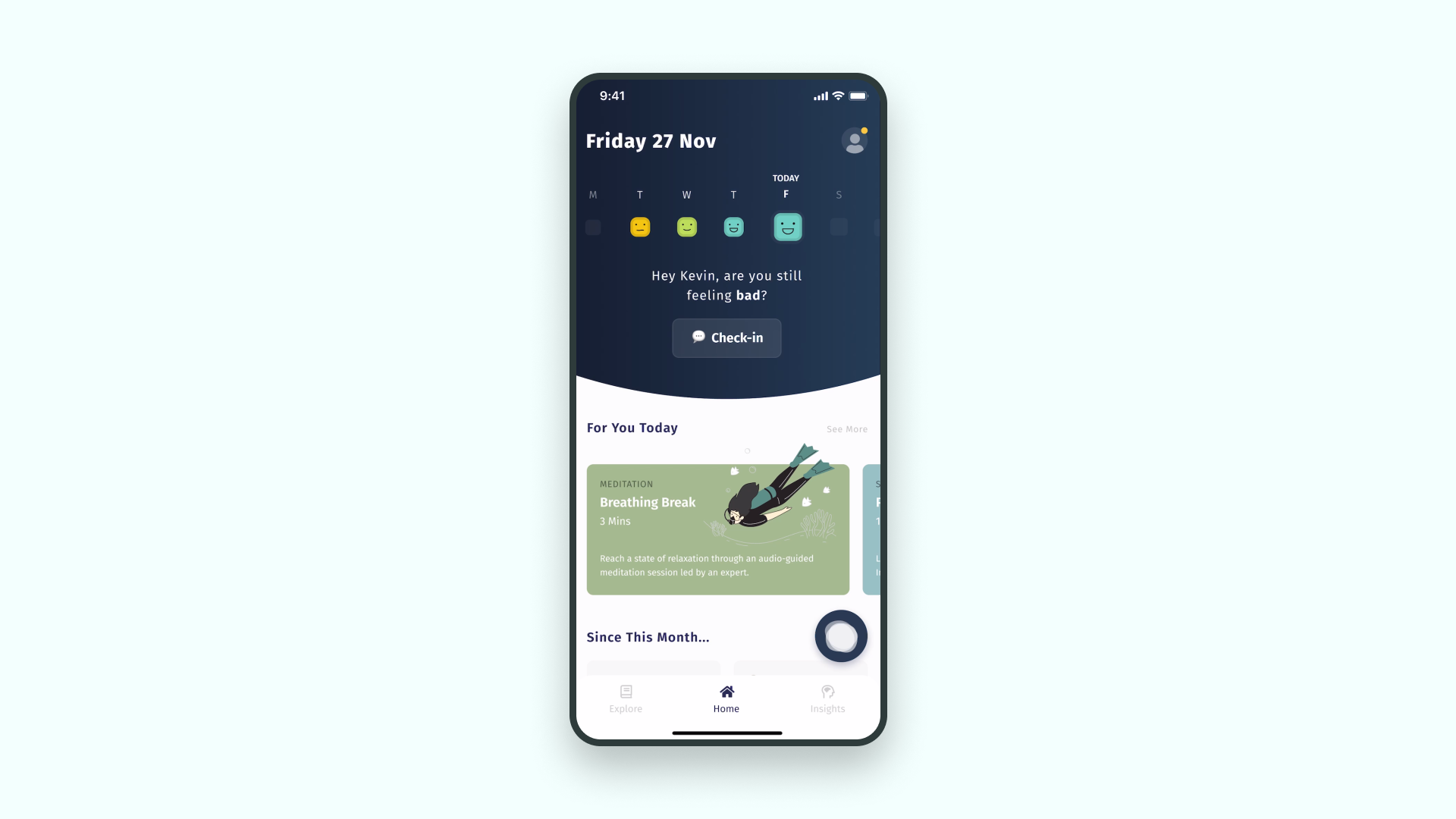
A counterintuitive finding was that some users felt more comfortable disclosing their most difficult emotions, including thoughts of suicide, to a non-human interface precisely because there would be no human reaction to manage. This was not a barrier to engagement; it was a strength the product had not yet articulated or designed around. At the same time, users wanted the app to feel warm and responsive, not clinical. The tension between objectivity and warmth became a central design brief.
The research also produced a clear feature priority: users wanted targeted tools for specific concerns, stress management, mindfulness, goal tracking, rather than general well-being content. The existing product had the capability; it lacked the personalisation layer that would make it feel relevant.
Launch
The redesign was completed in one month and shipped within three months. Day-one retention rose from 2% to 46%. Biweekly retention increased from below 2% to 18%. Users were accessing the app an average of three times per week, with sessions exceeding 15 minutes. Over 60% were actively logging daily activity, and more than 80% were engaging with content.